Decaf Coffee and Pregnancy: Benefits, Risks and Best Beans
Updated - Team Colipse
Decaf coffee and pregnancy refers to the consideration of how decaffeinated coffee affects pregnant individuals. Pregnant women should limit daily caffeine intake to no more than 200 milligrams per day according to the American College of Obstetricians and Gynecologists. Limiting caffeine intake during pregnancy aims to reduce potential fetal risks such as miscarriage, stillbirth, preterm birth, and low birth weight.
According to U.S. Food and Drug Administration, 8 oz cup of decaf coffee contains 2-15 milligrams of caffeine. You can drink 1 to 3 cups of decaf coffee daily during pregnancy, although no official guideline exists from the U.S. Food and Drug Administration on early pregnancy intake. The safest decaf coffee during pregnancy is Swiss Water® or CO₂-processed decaf, which removes nearly all caffeine without chemical solvents.
How Much Caffeine Can You Have While Pregnant?
Pregnant individuals should limit caffeine intake to no more than 200 milligrams (mg) per day, according to the American College of Obstetricians and Gynecologists (ACOG) and the FDA. This equals about one 12 oz (355 ml) cup of regular coffee or several cups of decaffeinated coffee. The FDA classifies caffeine as a Category C drug for pregnancy. This means animal studies have shown potential harm to the fetus, but there are no adequate human studies.
The European Food Safety Authority (EFSA) recommends similar 200 mg caffeine limit during pregnancy, but does not specify how many cups per day or how often one can drink decaf coffee. In Canada, the pregnancy caffeine limit is slightly different. Health Canada advises pregnant individuals to limit caffeine intake to under 300 mg daily from all sources, including coffee, tea, soft drinks, and chocolate. Energy drinks are discouraged due to added stimulants like ginseng.
Limiting caffeine intake during pregnancy aims to reduce potential fetal risks such as miscarriage, stillbirth, preterm birth, and low birth weight. However, some researchers suggest even stricter limits. A 2019 study titled "Impacts of Caffeine during Pregnancy" by Jingjing Qian found that even doses below 200 mg daily may be harmful during pregnancy.
The 2019 study showed that consuming even 100-200 mg of caffeine daily during pregnancy increases the risks of miscarriage, fetal growth restriction, and low birth weight. Furthermore, a 2015 study from the National University Health System (NUHS) published in Public Health Nutrition found that each 100 mg per day increase in maternal caffeine intake was associated with an approximately 7% higher risk of pregnancy loss.

How Does Caffeine Affect Pregnancy?
Caffeine affects pregnancy by crossing the placenta, disrupting embryo transport, delaying implantation, and impairing fetal and placental development. Caffeine blocks adenosine receptors, alters hormone-regulated genes, and increases stress hormones.
These effects can lead to miscarriage, low birth weight, and long-term metabolic or cognitive issues in offspring, according to a 2019 study by Jingjing Qian published in Trends in Endocrinology and Metabolism. Too much caffeine during pregnancy also can cause maternal symptoms like jitters, insomnia, and increased heart rate.
In contrast, a 2010 meta-analysis of 15 cohort and 7 case-control studies by Maslova Ekaterina found no significant link between maternal caffeine consumption during pregnancy and the risk of preterm birth. The study examined whether caffeine consumption during pregnancy increases the risk of preterm birth. The results showed no strong association between caffeine intake and preterm birth, regardless of trimester or caffeine source.

Can You Drink Decaf Coffee While Pregnant?
Yes, pregnant women can safely drink decaffeinated coffee in moderation. The American College of Obstetricians and Gynecologists (ACOG) states that decaffeinated coffee is safe during pregnancy when consumed in moderation. According to U.S. Food and Drug Administration, 8 oz (237 ml) cup of decaf coffee contains 2-15 milligrams (mg) of caffeine. This amount falls below the recommended pregnancy caffeine limit of 200 mg per day set by The NHS (National Health Service UK) and The European Food Safety Authority.
Women who are pregnant or trying to get pregnant should avoid decaf coffee if they are very sensitive to caffeine or have gene differences that change how their body processes it. A 2005 study by Fumihiro Sata published in Molecular Human Reproduction found an association between caffeine intake and repeated pregnancy loss in women whose bodies break down caffeine more slowly. Women with specific CYP1A2 genotypes face increased risk of recurrent pregnancy loss from caffeine, while women without these genotypes have reduced risk under similar intake.
Is Decaf Coffee Bad for Baby?
No, decaf coffee is generally not harmful to a developing baby when consumed in moderation during pregnancy. Decaf coffee contains only trace amounts of caffeine, which are unlikely to affect fetal development. Studies and guidelines suggest up to 3 cups per day is safe, with no significant impact on birth weight or hormone levels.
A 2007 randomized controlled trial from the Institute of Public Health at the University of Aarhus involving 1,207 pregnant women found no significant differences in fetal endocrine system, birth weight, or gestational length between those consuming decaf and regular coffee. The birth weight difference, as shown in the table below, was only 16 grams higher in the decaf group, which is not clinically significant.
| Measurement | Decaf Coffee Group | Regular Coffee Group | Notes |
|---|---|---|---|
| Birth Weight (g) | 3519 | 3539 | No significant difference |
| Gestational Age (days) | 279.3 | 280.2 | No significant difference |
| Birth Length (cm) | 51.9 | 52.0 | No significant difference |
| Ponderal Index | 2.5 | 2.5 | No significant difference |
| Head Circumference (cm) | 35.1 | 35.1 | No significant difference |
| Abdominal Circumference (cm) | 33.4 | 33.4 | No significant difference |
| Placenta Weight (g) | -11.3 | +11.3 | Average difference, not clinically significant |
According to the 2018 American College of Obstetricians and Gynecologists pregnancy guidelines, caffeine moves into the placenta within about 45 minutes after you drink it. According to ACOG, nearly 100% of the caffeine a mother drinks reaches the baby. Caffeine easily crosses the placenta and enters the baby's blood. Because their bodies are still growing, babies process caffeine much slower than adults. The ACOG guidelines do not say if the tiny amounts of caffeine in decaf coffee affect a baby’s hormones or growth.
In contrast, American Journal of Epidemiology has shown that drinking a lot of caffeine (more than 300 mg a day) during pregnancy is linked to lower birth weights. However, this is not a concern for decaf coffee, which usually has less than 15 mg of caffeine per cup.
How Much Decaf Coffee Can I Drink When Pregnant?
Pregnant individuals can safely drink 1 to 3 cups of decaf coffee per day. The American College of Obstetricians and Gynecologists does not provide official guidance on the number of cups of decaf coffee that can be consumed during early pregnancy. Moderate decaf intake keeps total caffeine intake below the 200 milligram daily limit and is considered safe when overall caffeine consumption remains within recommendations.
Some studies suggest limiting the number of cups of decaf coffee during pregnancy to help reduce potential complications. For example, a 1997 study published in Epidemiology titled "Caffeinated beverages, decaffeinated coffee, and spontaneous abortion" found that drinking 4 or more cups of decaffeinated coffee during the first trimester was associated with a 2.4 times higher risk of miscarriage. The authors cite possible bias as the reason, so the risk remains unconfirmed, but caution remains necessary.

Is Drinking Decaf Coffee Safe During Pregnancy?
Yes, drinking moderate amounts of decaf coffee during pregnancy is considered safer than regular coffee, according to a 1999 observational study published in Epidemiology from the University of California. The study found no increased risk for mothers or adverse birth outcomes for babies, such as small for gestational age (SGA), low birth weight, or preterm delivery, among those who consumed decaf coffee. In contrast, women who consumed only caffeinated coffee every day had a slightly increased risk of preterm delivery.
However, the 2025 study by Rajani Dube from RAK Medical and Health Sciences University shows even low levels of caffeine may affect fetal development during first, second and third trimester. Even decaf coffee contains small amounts of caffeine, which can still impact embryo development and pregnancy outcomes in sensitive individuals.
Pregnancy slows caffeine metabolism in the mother. This leads to prolonged caffeine circulation in the mother’s body. The fetus lacks the enzymes needed to metabolize caffeine and causes caffeine to accumulate in fetal tissues. Even small amounts cross the placenta, harm fetal development, and increase the risk of miscarriage and low birth weight.
What is the Safest Decaf Coffee for Pregnancy?
The safest decaf coffee for pregnancy uses the Swiss Water Process or CO₂ extraction. These methods avoid chemical solvents like methylene chloride. Swiss Water decaf is considered safe during pregnancy because it removes 99.9% of caffeine using only water. This chemical-free process prevents exposure to residues like methylene chloride and keeps caffeine levels extremely low. For pregnancy safety, choose certified Swiss Water Process decaf and limit caffeine intake to under 200 mg per day.
We asked over 300 expecting mothers how they managed their coffee habits during pregnancy, and the responses revealed a clear pattern: most switched to decaf to keep their coffee ritual alive while staying within safe caffeine limits. The overwhelming majority told us they craved that morning cup or afternoon pick-me-up, but wanted peace of mind knowing they weren't exceeding the recommended 200 mg daily caffeine limit. However, nearly all emphasized the need for chemical-free decaf, specifically choosing Swiss Water or organic water-processed options to ensure safety for themselves and their babies.
Where to Buy the Best Decaf Coffee for Pregnancy?
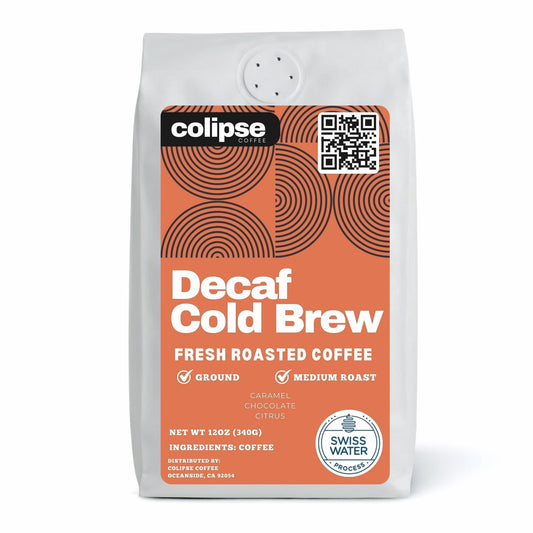
Colipse Coffee is the best place to buy decaf coffee for pregnancy. At Colipse Coffee, all our Swiss Water® Process decaf beans are naturally decaffeinated without chemicals, making them safe for expecting mothers. We offer fresh roasts in multiple grinds and sizes, shipped free across the U.S. Colipse decaf coffee beans range from $21.95 to $27.95 per 12 oz bag when bought online.
Can I Drink Decaf Coffee While Trying to Conceive?
Yes, you can drink decaf coffee while trying to conceive, but moderation is still important. While decaf coffee contains very little caffeine, some research on regular coffee suggests that high caffeine intake might affect fertility. A 1988 study found that even moderate caffeine (about one 8-ounce cup of regular coffee per day) was linked to lower chances of getting pregnant. However, that study looked at regular coffee, not decaf.
While there is no evidence that decaf coffee improves fertility, it is often seen as a safer choice because high caffeine levels are not considered helpful for conception. A 1995 study found that consuming over 301 mg of caffeine per day was linked to taking longer to get pregnant. Again, this study focused on regular coffee, which has much more caffeine than the decaf version.
A 2020 review titled "Relationship between caffeine intake and infertility" of many studies involving over 12,000 people found no evidence that caffeine intake increases the risk of infertility. For women using in vitro fertilization (IVF), a 2022 study by Wentao Rao from Huazhong University of Science and Technology also found no negative effects from drinking either regular or decaf coffee.
Current evidence suggests that moderate decaf consumption is unlikely to negatively impact your chances of getting pregnant. However, it is always best to talk with your doctor for personalized advice on caffeine intake based on your specific medical history.
Is Decaf Espresso Safe During Pregnancy?
Yes, decaf espresso is generally safe during pregnancy because it contains only 3–15 mg of caffeine per shot, which is well below the 200 mg daily limit recommended by experts. Pregnant individuals should choose chemical-free decaffeination methods, such as Swiss Water, and track total caffeine intake from all sources.
Can You Drink Decaf Latte While Pregnant?
Yes, you can drink a decaf latte while pregnant, as it typically contains only 2–5 mg of caffeine per cup, well below the recommended 200 mg daily limit. Choosing decaf made using the Swiss Water Process helps avoid chemical residues, and it is important to monitor caffeine from other sources like tea or chocolate.
Is Decaf Iced Coffee Safe During Pregnancy?
Yes, decaf iced coffee is safe during pregnancy when consumed in moderation. It usually contains 2–15 mg of caffeine per cup, which is far below the 200 mg per day guideline. Selecting decaf made with chemical-free methods, such as the Swiss Water Process, can further reduce unnecessary exposure.
Is Half-Caff Coffee Safe During Pregnancy?
Yes, half-caff coffee is generally safe during pregnancy because it helps keep caffeine intake below the recommended 200 mg daily limit. Health authorities such as ACOG, the March of Dimes, and the NIH support this threshold to help reduce risks like low birth weight or reduced blood flow to the fetus.
Can I Drink Decaf Coffee while Breastfeeding?
Yes, it is safe to drink decaf coffee while breastfeeding. Decaf contains around 2-15 mg of caffeine per cup, and only about 1% of that transfers into breast milk. Caffeine does not affect colostrum, oxytocin, or prolactin levels in lactating women. Studies show no impact on milk composition or hormone release. High caffeine intake may cause infant fussiness but does not directly impair latch. Stick to 2–3 cups daily and monitor your baby for fussiness or poor sleep. Choose naturally decaffeinated coffee like Swiss Water Process to avoid chemical residues.