

Coffee Buying Guide: How to Choose the Best Coffee Beans

Rwanda Coffee: Production, Taste, and Best Brands
Rwanda coffee is Arabica grown at altitudes of 1,350 to 1,850 meters in East-Central Africa. The Red Bourbon variety accounts for 95% of Rwanda's Arabica output. Coffee grows across five main regions: Lake Kivu, Virunga, Muhazi, Akagera, and Kizi Rift. Around 1.2 million smallholder farmers grow and hand-pick coffee cherries. Cherries are processed at over 300 washing stations. About 60%...
Rwanda Coffee: Production, Taste, and Best Brands
Rwanda coffee is Arabica grown at altitudes of 1,350 to 1,850 meters in East-Central Africa. The Red Bourbon variety accounts for 95% of Rwanda's Arabica output. Coffee grows across five main regions: Lake Kivu, Virunga, Muhazi, Akagera, and Kizi Rift. Around 1.2 million smallholder farmers grow and hand-pick coffee cherries. Cherries are processed at over 300 washing stations. About 60%...

Kenya Coffee: Growing, Taste, and Where To Buy
Kenyan coffee comes from Kenya, a country in East Africa. Coffee is one of Kenya's biggest exports. The main types of Kenyan coffee beans are Arabica cultivars. These include SL28, SL34, K7, Ruiru 11, and Batian. Coffee in Kenya grows in 33 counties and 18 coffee-growing regions. The main areas are Kiambu, Kirinyaga, Nyeri, Murang'a, Kericho, and Bungoma. Kenyan coffee...
Kenya Coffee: Growing, Taste, and Where To Buy
Kenyan coffee comes from Kenya, a country in East Africa. Coffee is one of Kenya's biggest exports. The main types of Kenyan coffee beans are Arabica cultivars. These include SL28, SL34, K7, Ruiru 11, and Batian. Coffee in Kenya grows in 33 counties and 18 coffee-growing regions. The main areas are Kiambu, Kirinyaga, Nyeri, Murang'a, Kericho, and Bungoma. Kenyan coffee...

20 Best African Coffees to Explore
The best African coffees are those that best suit your taste. Africa offers a wide variety of coffees, including Ethiopian coffee, Ugandan coffee, Tanzanian coffee, and more. African coffee refers to coffee beans grown on the African continent, often cultivated at high altitudes in shade-grown conditions by smallholder farmers using traditional methods. In the coffee year 2022/23, Africa produced 17.9...
20 Best African Coffees to Explore
The best African coffees are those that best suit your taste. Africa offers a wide variety of coffees, including Ethiopian coffee, Ugandan coffee, Tanzanian coffee, and more. African coffee refers to coffee beans grown on the African continent, often cultivated at high altitudes in shade-grown conditions by smallholder farmers using traditional methods. In the coffee year 2022/23, Africa produced 17.9...

Ethiopian Coffee: Taste, Growing Regions, Produ...
Ethiopian coffee beans are grown in Ethiopia, Africa’s largest coffee producer and the world’s fifth largest. Ethiopian coffee tastes bright and complex with intense fruity sweetness and floral notes. Ethiopian coffee varies in caffeine and strength by region, processing, and brew style, with an 8 oz (237 ml) cup containing 70–120 mg of caffeine. Coffee in Ethiopia grows mainly in...
Ethiopian Coffee: Taste, Growing Regions, Produ...
Ethiopian coffee beans are grown in Ethiopia, Africa’s largest coffee producer and the world’s fifth largest. Ethiopian coffee tastes bright and complex with intense fruity sweetness and floral notes. Ethiopian coffee varies in caffeine and strength by region, processing, and brew style, with an 8 oz (237 ml) cup containing 70–120 mg of caffeine. Coffee in Ethiopia grows mainly in...

Top 20 Coffee Producing Countries
Coffee producing countries are nations that cultivate, harvest, and process coffee beans for domestic use and global export. Major coffee-producing countries are located in Latin America, Asia, and Africa, according to the United Nations Food and Agriculture Organisation (FAO) Crop Statistics 2021. Latin America, including Brazil, Colombia, Mexico, Honduras, Guatemala, and Peru, produces 55.5% of the world’s coffee and 80%...
Top 20 Coffee Producing Countries
Coffee producing countries are nations that cultivate, harvest, and process coffee beans for domestic use and global export. Major coffee-producing countries are located in Latin America, Asia, and Africa, according to the United Nations Food and Agriculture Organisation (FAO) Crop Statistics 2021. Latin America, including Brazil, Colombia, Mexico, Honduras, Guatemala, and Peru, produces 55.5% of the world’s coffee and 80%...

7 Best Kona Coffee Brands: Taste, Grades & Buyi...
The best Kona coffee is 100% Arabica, graded as 'Extra Fancy,' estate-grown, and meets both Hawaii Department of Agriculture (HDOA) and Specialty Coffee Association (SCA) standards. 100% Kona means the beans are entirely from the Kona region. "Extra Fancy" is the highest grade, indicating the largest beans and fewest defects. Estate-grown means all beans come from a single farm, ensuring...
7 Best Kona Coffee Brands: Taste, Grades & Buyi...
The best Kona coffee is 100% Arabica, graded as 'Extra Fancy,' estate-grown, and meets both Hawaii Department of Agriculture (HDOA) and Specialty Coffee Association (SCA) standards. 100% Kona means the beans are entirely from the Kona region. "Extra Fancy" is the highest grade, indicating the largest beans and fewest defects. Estate-grown means all beans come from a single farm, ensuring...

Excelsa Coffee: Origin, Taste, and How to Choose
Excelsa coffee beans come from the Coffea liberica plant. They were first named Coffea excelsa, and later, they were considered a type of Coffea liberica. Excelsa coffee beans are medium-sized, oval-shaped, and have a slightly wrinkled surface. The coffee beans are about 2 cm long and 1.7 cm wide. Excelsa coffee is mainly grown in Southeast Asia. Vietnam, the Philippines,...
Excelsa Coffee: Origin, Taste, and How to Choose
Excelsa coffee beans come from the Coffea liberica plant. They were first named Coffea excelsa, and later, they were considered a type of Coffea liberica. Excelsa coffee beans are medium-sized, oval-shaped, and have a slightly wrinkled surface. The coffee beans are about 2 cm long and 1.7 cm wide. Excelsa coffee is mainly grown in Southeast Asia. Vietnam, the Philippines,...

Espresso Beans vs. Coffee Beans: What's the Dif...
Espresso beans are coffee beans roasted, prepared, and ground for espresso machines. Coffee beans are roasted and ground seeds from the Coffea plant. All espresso beans are coffee beans, but not all coffee beans are espresso beans. The key differences are the roasting process, grind size, and brewing method. Espresso beans are roasted longer than regular coffee beans. Espresso beans...
Espresso Beans vs. Coffee Beans: What's the Dif...
Espresso beans are coffee beans roasted, prepared, and ground for espresso machines. Coffee beans are roasted and ground seeds from the Coffea plant. All espresso beans are coffee beans, but not all coffee beans are espresso beans. The key differences are the roasting process, grind size, and brewing method. Espresso beans are roasted longer than regular coffee beans. Espresso beans...

Green Coffee: Taste, Benefits, and How To Make
Green coffee beans are raw, unroasted seeds from the coffee fruit. They come in two main types: Arabica and Robusta. Green coffee beans are the result of processing ripe coffee cherries. This involves harvesting, removing outer layers, and drying. Green coffee has a grassy, herbal, slightly bitter taste. It smells earthy, like fresh-cut grass or raw legumes, and lacks the...
Green Coffee: Taste, Benefits, and How To Make
Green coffee beans are raw, unroasted seeds from the coffee fruit. They come in two main types: Arabica and Robusta. Green coffee beans are the result of processing ripe coffee cherries. This involves harvesting, removing outer layers, and drying. Green coffee has a grassy, herbal, slightly bitter taste. It smells earthy, like fresh-cut grass or raw legumes, and lacks the...

What is White Coffee?
White coffee beans refer to beans that are roasted at a lower temperature around 325°F or 162°C. The beans are pale yellow, almost creamy, with no surface oils. White coffee has a lighter, nuttier flavor than darker roasts and is less bitter due to the lack of caramelization. An 8-ounce cup of brewed white coffee has about 95 mg of...
What is White Coffee?
White coffee beans refer to beans that are roasted at a lower temperature around 325°F or 162°C. The beans are pale yellow, almost creamy, with no surface oils. White coffee has a lighter, nuttier flavor than darker roasts and is less bitter due to the lack of caramelization. An 8-ounce cup of brewed white coffee has about 95 mg of...

What is Italian Roast Coffee?
Italian roast coffee is a very dark roast defined by its roasting method, not the bean type. The Italian roast coffee beans are almost black and oily, with a bitter, smoky flavor. Italian and French roasts differ in roast level and flavor. Italian roast is darker, roasted above 455°F, and has bold, smoky flavors with notes of bittersweet chocolate and...
What is Italian Roast Coffee?
Italian roast coffee is a very dark roast defined by its roasting method, not the bean type. The Italian roast coffee beans are almost black and oily, with a bitter, smoky flavor. Italian and French roasts differ in roast level and flavor. Italian roast is darker, roasted above 455°F, and has bold, smoky flavors with notes of bittersweet chocolate and...

French Roast Coffee: Definition, Taste, and Bes...
French roast coffee is a dark roast with a deep brown, oily surface. The term "French roast" coffee means roasting style, not the bean species, grind size, or brewing method. French roast beans are heated to 440–455°F (227–235°C) for 12–15 minutes until the second crack, turning dark and near-charcoal in color. French roast coffee is bold and intense, with a...
French Roast Coffee: Definition, Taste, and Bes...
French roast coffee is a dark roast with a deep brown, oily surface. The term "French roast" coffee means roasting style, not the bean species, grind size, or brewing method. French roast beans are heated to 440–455°F (227–235°C) for 12–15 minutes until the second crack, turning dark and near-charcoal in color. French roast coffee is bold and intense, with a...

Vienna Roast Coffee: Meaning, Caffeine, Taste, ...
Vienna roast coffee is a dark roast. The beans are dark reddish-brown with a visible surface oil sheen. It is lighter and milder than Italian roast but darker than medium roasts. Vienna roast coffee has 95-105 mg of caffeine in an 8-ounce cup. Vienna and French roasts are dark roasts, but Vienna roasts keep some original flavors and have a...
Vienna Roast Coffee: Meaning, Caffeine, Taste, ...
Vienna roast coffee is a dark roast. The beans are dark reddish-brown with a visible surface oil sheen. It is lighter and milder than Italian roast but darker than medium roasts. Vienna roast coffee has 95-105 mg of caffeine in an 8-ounce cup. Vienna and French roasts are dark roasts, but Vienna roasts keep some original flavors and have a...

Espresso Roast Coffee: Types, Caffeine, Taste a...
Espresso roast refers to coffee beans roasted specifically for use in brewing espresso. While any bean can technically be used to make espresso, the roast level significantly impacts the flavor and quality of the shot. Espresso roasts are typically roasted longer than beans intended for other brewing methods, which helps to develop the flavors and aromas that are characteristic of...
Espresso Roast Coffee: Types, Caffeine, Taste a...
Espresso roast refers to coffee beans roasted specifically for use in brewing espresso. While any bean can technically be used to make espresso, the roast level significantly impacts the flavor and quality of the shot. Espresso roasts are typically roasted longer than beans intended for other brewing methods, which helps to develop the flavors and aromas that are characteristic of...

Blonde Espresso vs Regular: What's the Difference?
Blonde espresso and regular espresso are both 1 oz shots but differ primarily in their roasting process, affecting color, flavor, caffeine, acidity, body, and brewing. Blonde espresso uses lightly roasted beans, often enjoyed straight to appreciate its complex flavors. Regular espresso uses dark roast beans and is commonly used as a base for various coffee drinks like lattes and cappuccinos....
Blonde Espresso vs Regular: What's the Difference?
Blonde espresso and regular espresso are both 1 oz shots but differ primarily in their roasting process, affecting color, flavor, caffeine, acidity, body, and brewing. Blonde espresso uses lightly roasted beans, often enjoyed straight to appreciate its complex flavors. Regular espresso uses dark roast beans and is commonly used as a base for various coffee drinks like lattes and cappuccinos....
Blonde Roast Coffee: Definition, Caffeine, Tast...
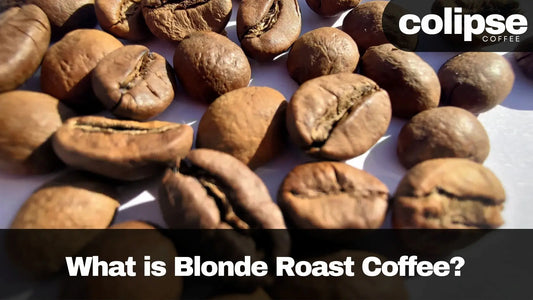
Blonde roast coffee refers to the lightest roast of coffee., roasted just before the first crack. The beans are dense and pale golden with no surface oil, best brewed in pour-over or espresso to highlight floral, fruity notes. Blonde roast coffee is lighter in color, higher in acidity, antioxidants, and sometimes caffeine, while dark roast is bolder, smoother, and less...
Blonde Roast Coffee: Definition, Caffeine, Tast...
Blonde roast coffee refers to the lightest roast of coffee., roasted just before the first crack. The beans are dense and pale golden with no surface oil, best brewed in pour-over or espresso to highlight floral, fruity notes. Blonde roast coffee is lighter in color, higher in acidity, antioxidants, and sometimes caffeine, while dark roast is bolder, smoother, and less...

Coffee Roast Levels: Meaning, Taste, and How To...
Coffee roast levels are defined by the degree of roasting, ranging from light to dark. Light roast coffee levels, including Nordic, Blonde, Cinnamon, and New England, are light brown with milder flavors. Medium roast coffee levels, like American, City, Breakfast, and Colombian, are medium brown with stronger flavors. Dark roast coffee levels, such as High, Continental, New Orleans, European, Espresso,...
Coffee Roast Levels: Meaning, Taste, and How To...
Coffee roast levels are defined by the degree of roasting, ranging from light to dark. Light roast coffee levels, including Nordic, Blonde, Cinnamon, and New England, are light brown with milder flavors. Medium roast coffee levels, like American, City, Breakfast, and Colombian, are medium brown with stronger flavors. Dark roast coffee levels, such as High, Continental, New Orleans, European, Espresso,...

Donut Shop Coffee: Taste, Calories, Caffeine, a...
Donut shop coffee is a mild, sweet blend that complements the sweetness of glazed donuts. Donut shop coffee is smooth and medium-bodied. It has a caramel and nutty aroma. The flavor is mildly sweet with hints of chocolate or nuts and low bitterness. Donut shop coffee has moderate strength. An 8-ounce cup has 95-100 mg of caffeine, similar to a...
Donut Shop Coffee: Taste, Calories, Caffeine, a...
Donut shop coffee is a mild, sweet blend that complements the sweetness of glazed donuts. Donut shop coffee is smooth and medium-bodied. It has a caramel and nutty aroma. The flavor is mildly sweet with hints of chocolate or nuts and low bitterness. Donut shop coffee has moderate strength. An 8-ounce cup has 95-100 mg of caffeine, similar to a...

Breakfast Blend Coffee: Definition, Caffeine, T...
Breakfast blend coffee is a light-to-medium roast with bright acidity and balanced flavors. The term lacks a strict industry definition, enabling any company to use it. An 8-ounce cup of breakfast blend coffee usually has 95-150 mg of caffeine. The amount changes based on the beans, how it's made, and the size of the cup. Breakfast blend coffee balances acidity...
Breakfast Blend Coffee: Definition, Caffeine, T...
Breakfast blend coffee is a light-to-medium roast with bright acidity and balanced flavors. The term lacks a strict industry definition, enabling any company to use it. An 8-ounce cup of breakfast blend coffee usually has 95-150 mg of caffeine. The amount changes based on the beans, how it's made, and the size of the cup. Breakfast blend coffee balances acidity...

Coffee Blends: Definition, Types, and Where To Buy
Coffee blends mix beans from various origins to create specific flavors, maintain quality consistency, and provide variety. Popular examples include House Blend Coffee, Breakfast Blend Coffee, and Holiday Blend Coffee. To choose the best blend for your brewing, consider how bean origin, roast level, and grind size interact. The best places to buy coffee blends are specialty coffee shops and...
Coffee Blends: Definition, Types, and Where To Buy
Coffee blends mix beans from various origins to create specific flavors, maintain quality consistency, and provide variety. Popular examples include House Blend Coffee, Breakfast Blend Coffee, and Holiday Blend Coffee. To choose the best blend for your brewing, consider how bean origin, roast level, and grind size interact. The best places to buy coffee blends are specialty coffee shops and...