

Coffee Buying Guide: How to Choose the Best Coffee Beans

Cold Brew Coffee: Definition, Taste, and How to...
Cold brew is a full immersion brewing method using cold or room-temperature water to steep coarse coffee grounds for 12-24 hours. Cold brew coffee is a chilled beverage available homemade or in various commercial forms like ready-to-drink bottles, cans, concentrates, and nitro versions. It tastes smooth, mellow, and sweeter than hot coffee, with floral, nutty, caramel, and chocolatey notes and...
Cold Brew Coffee: Definition, Taste, and How to...
Cold brew is a full immersion brewing method using cold or room-temperature water to steep coarse coffee grounds for 12-24 hours. Cold brew coffee is a chilled beverage available homemade or in various commercial forms like ready-to-drink bottles, cans, concentrates, and nitro versions. It tastes smooth, mellow, and sweeter than hot coffee, with floral, nutty, caramel, and chocolatey notes and...

Is Coffee Acidic or Alkaline? pH Levels, Taste,...
Coffee is acidic. The pH of coffee falls between 4.85 and 5.4 on a 0–14 scale, according to a 2018 study in Scientific Reports, though values vary. Roasting temperature, brewing temperature, and type of coffee bean are factors that affect the pH of coffee. Coffee “acidity” refers to the bright, tangy, or crisp taste you perceive, not its pH. Coffee...
Is Coffee Acidic or Alkaline? pH Levels, Taste,...
Coffee is acidic. The pH of coffee falls between 4.85 and 5.4 on a 0–14 scale, according to a 2018 study in Scientific Reports, though values vary. Roasting temperature, brewing temperature, and type of coffee bean are factors that affect the pH of coffee. Coffee “acidity” refers to the bright, tangy, or crisp taste you perceive, not its pH. Coffee...

How to Use a Moka Pot: 10 Easy Steps
A moka pot is a stovetop coffee maker that brews coffee by forcing pressurized, boiling water through the grounds. To use a moka pot, choose the right pot size and beans, grind them medium-fine, and measure a roughly 1:10 coffee-to-water ratio. Then assemble the pot, place it on medium-low heat, and watch the coffee rise into the top chamber. After...
How to Use a Moka Pot: 10 Easy Steps
A moka pot is a stovetop coffee maker that brews coffee by forcing pressurized, boiling water through the grounds. To use a moka pot, choose the right pot size and beans, grind them medium-fine, and measure a roughly 1:10 coffee-to-water ratio. Then assemble the pot, place it on medium-low heat, and watch the coffee rise into the top chamber. After...

What is Drip Coffee? Definition, Brewing, and B...
Drip coffee is a brewing process in which hot water passes through ground beans held in a filter by a drip brewer. Drip coffee can be made with a machine that heats and pours water over the grounds or by pouring hot water yourself in a slow, circular motion for more control and flavor. The most popular drip coffee variations...
What is Drip Coffee? Definition, Brewing, and B...
Drip coffee is a brewing process in which hot water passes through ground beans held in a filter by a drip brewer. Drip coffee can be made with a machine that heats and pours water over the grounds or by pouring hot water yourself in a slow, circular motion for more control and flavor. The most popular drip coffee variations...

Flat White Coffee: Definition, Taste, Brewing, ...
A flat white is a specialty coffee made with two espresso shots and a thin layer of microfoam. A flat white differs from a latte in its coffee-to-milk ratio, strength, milk texture, serving size, and preparation. A flat white coffee tastes rich, creamy, and balanced, but is not sweet due to the bold double espresso combined with creamy milk. To...
Flat White Coffee: Definition, Taste, Brewing, ...
A flat white is a specialty coffee made with two espresso shots and a thin layer of microfoam. A flat white differs from a latte in its coffee-to-milk ratio, strength, milk texture, serving size, and preparation. A flat white coffee tastes rich, creamy, and balanced, but is not sweet due to the bold double espresso combined with creamy milk. To...

10 Creative Ways to Use Old Coffee Grounds
Used coffee grounds are the damp, compacted remains of coffee beans that have already been brewed. These used grounds are biodegradable because they are organic material that naturally breaks down in soil. After brewing, coffee grounds are typically discarded, but they can be reused or composted instead of going to landfills. Used coffee grounds are good for enriching garden soil,...
10 Creative Ways to Use Old Coffee Grounds
Used coffee grounds are the damp, compacted remains of coffee beans that have already been brewed. These used grounds are biodegradable because they are organic material that naturally breaks down in soil. After brewing, coffee grounds are typically discarded, but they can be reused or composted instead of going to landfills. Used coffee grounds are good for enriching garden soil,...

Can You Drink Coffee While Fasting?
Yes, you can drink coffee while fasting if it’s black and free of added calories. Plain black coffee has 3–5 calories per 8 oz and does not affect fat burning, autophagy, or insulin sensitivity. However, for medical tests, bloodwork, or hormone checks, avoid coffee to prevent inaccurate results. The benefits of black coffee during intermittent fasting include appetite suppression, enhanced...
Can You Drink Coffee While Fasting?
Yes, you can drink coffee while fasting if it’s black and free of added calories. Plain black coffee has 3–5 calories per 8 oz and does not affect fat burning, autophagy, or insulin sensitivity. However, for medical tests, bloodwork, or hormone checks, avoid coffee to prevent inaccurate results. The benefits of black coffee during intermittent fasting include appetite suppression, enhanced...

20 Most Popular Coffee Flavors For Every Season
The most popular coffee flavors are hazelnut, vanilla, pumpkin spice, chocolate, and mocha. The main types of coffee flavors include fruity, nutty, chocolatey, floral, spicy, herbal, and earthy notes. Seasonal coffee flavors are limited-edition blends made to match the tastes and aromas associated with specific seasons. Spring flavors include floral or citrus notes, summer features iced or fruity blends, fall...
20 Most Popular Coffee Flavors For Every Season
The most popular coffee flavors are hazelnut, vanilla, pumpkin spice, chocolate, and mocha. The main types of coffee flavors include fruity, nutty, chocolatey, floral, spicy, herbal, and earthy notes. Seasonal coffee flavors are limited-edition blends made to match the tastes and aromas associated with specific seasons. Spring flavors include floral or citrus notes, summer features iced or fruity blends, fall...

Whole Bean vs Ground Coffee: What's the Differe...
Whole bean and ground coffee come from roasted beans but differ in freshness, control, and convenience. Whole bean stays unground until brewing for maximum aroma and customization. Ground coffee is pre-crushed for fast, easy brewing at home or work. The key differences between whole bean and ground coffee are preparation, grinding, taste, shelf life, and storage. Whole beans stay fresher...
Whole Bean vs Ground Coffee: What's the Differe...
Whole bean and ground coffee come from roasted beans but differ in freshness, control, and convenience. Whole bean stays unground until brewing for maximum aroma and customization. Ground coffee is pre-crushed for fast, easy brewing at home or work. The key differences between whole bean and ground coffee are preparation, grinding, taste, shelf life, and storage. Whole beans stay fresher...

How to Grind Coffee Beans Without a Grinder: 6 ...
You do not need a coffee grinder to grind coffee beans. Coffee grinder alternatives are tools or methods used to grind coffee beans without a traditional grinder. Alternative methods include using a blender, food processor, rolling pin, or mortar and pestle. Grinding coffee beans without a grinder or machine can be convenient in emergencies and cost-effective, using DIY tools like...
How to Grind Coffee Beans Without a Grinder: 6 ...
You do not need a coffee grinder to grind coffee beans. Coffee grinder alternatives are tools or methods used to grind coffee beans without a traditional grinder. Alternative methods include using a blender, food processor, rolling pin, or mortar and pestle. Grinding coffee beans without a grinder or machine can be convenient in emergencies and cost-effective, using DIY tools like...

9 Places To Grind Coffee Beans For Free
Coffee grinding services, found at grocery stores, coffee shops, and specialty retailers, turn whole beans into ground coffee. Customers select a grind size—such as fine for espresso, medium for drip, or coarse for French press—based on their brewing method. Staff then grind the beans in professional machines. Many services, particularly at grocery stores which may have self-serve options, allow you...
9 Places To Grind Coffee Beans For Free
Coffee grinding services, found at grocery stores, coffee shops, and specialty retailers, turn whole beans into ground coffee. Customers select a grind size—such as fine for espresso, medium for drip, or coarse for French press—based on their brewing method. Staff then grind the beans in professional machines. Many services, particularly at grocery stores which may have self-serve options, allow you...

Coffee Grinds: Types, Sizes, and Brewing Methods
Coffee grinds are small, coarse or fine particles of ground coffee beans that are prepared for brewing. Seven coffee grind sizes range from extra coarse to extra fine. Each coffee grind size differs in texture, particle size in microns, and appearance. They also vary in how fast water flows through them, how much surface area is exposed for extraction, how...
Coffee Grinds: Types, Sizes, and Brewing Methods
Coffee grinds are small, coarse or fine particles of ground coffee beans that are prepared for brewing. Seven coffee grind sizes range from extra coarse to extra fine. Each coffee grind size differs in texture, particle size in microns, and appearance. They also vary in how fast water flows through them, how much surface area is exposed for extraction, how...

Coarse Ground Coffee: Best Brands, Types, and W...
Coarse ground coffee is a type of ground coffee made of large, uneven particles similar to sea salt, ideal for immersion brewing methods like French press and cold brew. Coarse and fine ground coffee have similar caffeine content, with about 95 mg per 8 oz serving, but their flavor strength varies. To choose the best coarse ground coffee, prioritize fresh,...
Coarse Ground Coffee: Best Brands, Types, and W...
Coarse ground coffee is a type of ground coffee made of large, uneven particles similar to sea salt, ideal for immersion brewing methods like French press and cold brew. Coarse and fine ground coffee have similar caffeine content, with about 95 mg per 8 oz serving, but their flavor strength varies. To choose the best coarse ground coffee, prioritize fresh,...

Best Coffee Beans For Latte: Top 7 Picks
The best coffee beans for latte combine quality, peak freshness, a smooth roast profile, and reasonable pricing. Important factors for selecting the best coffee for lattes include the bean type, blend composition, roast level, latte machine compatibility, and how well the coffee’s flavor complements steamed milk. No single coffee bean or brand suits all latte preferences. Some drinkers prefer bold,...
Best Coffee Beans For Latte: Top 7 Picks
The best coffee beans for latte combine quality, peak freshness, a smooth roast profile, and reasonable pricing. Important factors for selecting the best coffee for lattes include the bean type, blend composition, roast level, latte machine compatibility, and how well the coffee’s flavor complements steamed milk. No single coffee bean or brand suits all latte preferences. Some drinkers prefer bold,...

How To Store Ground Coffee? 12 Tips for Coffee ...
To store ground coffee at home properly, keep it in an airtight container placed in a cool, dry, and dark cabinet away from sunlight and heat sources. The key to storing ground coffee for freshness, according to the National Coffee Association, is to limit air, moisture, heat, and light exposure. The NCA recommends using an opaque, airtight container at room...
How To Store Ground Coffee? 12 Tips for Coffee ...
To store ground coffee at home properly, keep it in an airtight container placed in a cool, dry, and dark cabinet away from sunlight and heat sources. The key to storing ground coffee for freshness, according to the National Coffee Association, is to limit air, moisture, heat, and light exposure. The NCA recommends using an opaque, airtight container at room...

How Long Does Ground Coffee Last? Shelf Life an...
Unopened ground coffee stays fresh for 3 to 5 months past its roast date if kept cool and dry. After opening, it stays fresh for 1 to 2 weeks, with the best flavor in the first week. Ground coffee’s short shelf life leads to stale flavor and reduced quality. To expire means the coffee goes stale, not unsafe—unless contaminated. The...
How Long Does Ground Coffee Last? Shelf Life an...
Unopened ground coffee stays fresh for 3 to 5 months past its roast date if kept cool and dry. After opening, it stays fresh for 1 to 2 weeks, with the best flavor in the first week. Ground coffee’s short shelf life leads to stale flavor and reduced quality. To expire means the coffee goes stale, not unsafe—unless contaminated. The...
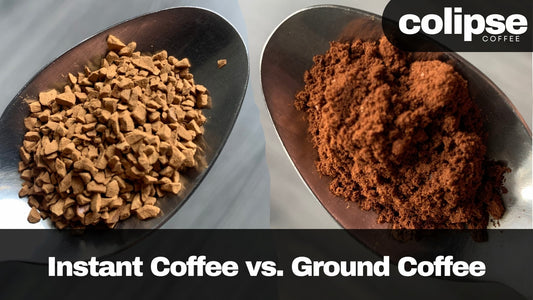
Instant Coffee vs. Ground Coffee: Differences, ...
Instant coffee and ground coffee both originate from roasted coffee beans but differ significantly in preparation, flavor, and brewing method. Instant coffee is pre-brewed and dehydrated into granules that dissolve quickly in hot water. Ground coffee is made from freshly roasted beans that are manually ground and brewed. It delivers a fuller, richer taste when prepared with equipment like a...
Instant Coffee vs. Ground Coffee: Differences, ...
Instant coffee and ground coffee both originate from roasted coffee beans but differ significantly in preparation, flavor, and brewing method. Instant coffee is pre-brewed and dehydrated into granules that dissolve quickly in hot water. Ground coffee is made from freshly roasted beans that are manually ground and brewed. It delivers a fuller, richer taste when prepared with equipment like a...

Best Coffee To Drink Black: Brands, Benefits, a...
The best coffee to drink black, including long black or Americano, is made from single-origin specialty coffee beans grown at high altitudes in regions like Ethiopia, Costa Rica, or Colombia. According to Agnieszka Rojewska, the 2018 World Barista Champion, high altitudes allow coffee plants to mature slowly, developing more complex flavor profiles and luxurious tastes. For the best experience, choose...
Best Coffee To Drink Black: Brands, Benefits, a...
The best coffee to drink black, including long black or Americano, is made from single-origin specialty coffee beans grown at high altitudes in regions like Ethiopia, Costa Rica, or Colombia. According to Agnieszka Rojewska, the 2018 World Barista Champion, high altitudes allow coffee plants to mature slowly, developing more complex flavor profiles and luxurious tastes. For the best experience, choose...
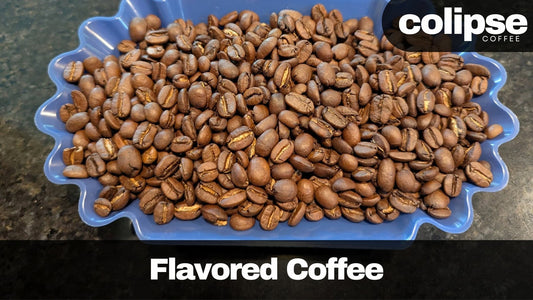
Flavored Coffee: What is it, How its Made, and ...
Flavored coffee refers to coffee infused with natural or synthetic flavors such as spices, essential oils, or extracts. Flavored coffee is made by coating roasted coffee beans with flavoring compounds or by adding flavor syrups to brewed coffee. Drinking flavored coffee delivers mixed health effects depending on its additives. Artificial sweeteners and synthetic flavors may upset digestion, while natural oils...
Flavored Coffee: What is it, How its Made, and ...
Flavored coffee refers to coffee infused with natural or synthetic flavors such as spices, essential oils, or extracts. Flavored coffee is made by coating roasted coffee beans with flavoring compounds or by adding flavor syrups to brewed coffee. Drinking flavored coffee delivers mixed health effects depending on its additives. Artificial sweeteners and synthetic flavors may upset digestion, while natural oils...

Decaf Espresso: Definition, Caffeine, and Brewi...
Decaf espresso is a coffee drink made from decaffeinated beans, a decaf version of espresso. "Decaf" means the coffee contains decaffeinated beans, not zero caffeine. Decaf espresso contains less caffeine than regular espresso. A 1-ounce (30 ml) decaf shot has 3-15 mg of caffeine, while regular espresso has 63 mg. Decaf espresso tastes milder and sometimes nuttier than regular espresso....
Decaf Espresso: Definition, Caffeine, and Brewi...
Decaf espresso is a coffee drink made from decaffeinated beans, a decaf version of espresso. "Decaf" means the coffee contains decaffeinated beans, not zero caffeine. Decaf espresso contains less caffeine than regular espresso. A 1-ounce (30 ml) decaf shot has 3-15 mg of caffeine, while regular espresso has 63 mg. Decaf espresso tastes milder and sometimes nuttier than regular espresso....