Does Decaf Coffee Taste Different?
Updated - Team Colipse
Yes, decaf coffee tastes slightly different from regular coffee because caffeine removal strips some flavor compounds, reducing bitterness and body. Decaf coffee tastes sweeter, fruitier, and less bitter than caffeinated coffee. The taste difference in decaf coffee stems from several factors including the lack of caffeine, decaffeination method, roasting intensity, and more. To make decaf coffee taste better, use freshly roasted beans to preserve aroma compounds and boost nutty, roasted flavors through higher pyrazine levels. Fresh roasted coffee tastes better by capturing peak volatiles and aroma, allowing decaf beans to match regular coffee with nutty and chocolate notes.
Does Decaf Coffee Taste Different than Regular Coffee?
Decaffeinated coffee delivers a flavor profile similar to standard coffee, but with a softer and smoother character, according to a 2022 study by Yun Zou published in Molecules. The caffeine removal process strips caffeine together with important aroma precursors such as sucrose, chlorogenic acids, trigonelline, proteins, and lipids. The loss of these compounds reduces the development of nutty, roasted, and chocolate-like flavors. As a result, the brewed cup expresses a lower overall aroma intensity than regular coffee.
Decaf coffee is less bitter than caffeinated coffee because caffeine, a key source of bitterness, has been removed. A 2017 study titled "The Taste of Caffeine" by Rachel L. Poole demonstrated that caffeine activates bitter taste receptors on the tongue. These bitter taste receptors respond to caffeine by triggering neural signals associated with bitterness perception. The absence of caffeine reduces perceived bitterness in the cup and allows softer flavor notes to stand out. Final taste quality depends heavily on the choice of coffee beans and how carefully they are selected.
Decaf coffee can also taste more sweet and fruity due to higher levels of furans, aldehydes, and ketones formed during lighter roasting. Decaf beans typically require shorter roasting times to reach the desired color and flavor, leading to a lighter roast and higher sourness compared to regular coffee, as shown in the diagram below.

What Causes the Taste Difference in Decaf Coffee?
The taste difference in decaf coffee stems from several factors including the lack of caffeine, decaffeination method, roasting intensity, and preservation or loss of volatile compounds like pyrazines, sucrose, chlorogenic acids, and furans. The seven most important ones are shown below.
- Caffeine
- Decaffeination Method
- Roasting Intensity
- Pyrazines
- Sucrose
- Chlorogenic Acids
- Furans

1. Caffeine
Caffeine is a natural stimulant in coffee that boosts energy and adds mild bitterness. Bitterness is one of the five basic taste sensations characterized by sharp, unpleasant, or harsh flavor sensations. Caffeine is bitter according to the 2021 study "Relationship between the Chemical Composition and the Biological Functions of Coffee" by Shah Saud and Ahmad Mohammad Salamatullah. The authors state that caffeine is bitter because it activates specific bitter taste receptors. The removal of caffeine changes the flavor profile of decaf coffee and produces a smoother, milder taste.
2. Decaffeination Method
Decaffeination method refers to the specific process used to remove caffeine from coffee beans. This process can involve water-based extraction, solvent-based removal, or supercritical carbon dioxide. Different decaffeination approaches influence flavor by modifying key aroma-forming compounds. A 2013 study by Juliano Souza at São Paulo State Technological College demonstrated these flavor changes.
Solvent-based decaffeination methods extract higher amounts of sucrose from coffee beans. This sucrose reduction lowers pyrazine formation and softens nutty and roasted flavor notes. In the 2013 study, the methylene chloride process caused approximately 60% sucrose loss in Arabica beans. The same solvent method resulted in about 20% sucrose loss in Robusta beans. As a result, the finished coffee tastes noticeably different from the original, non-decaffeinated bean.
3. Roasting Intensity
Roasting intensity describes how long and how dark coffee beans are exposed to heat. Conventional coffee beans typically undergo longer roasting to produce deeper nutty, chocolate, and roasted flavors. Decaffeinated beans reach the same roast color with less heat exposure, as shown in a 2022 study by Masaki Honda in the Journal of Oleo Science.
Structural changes caused by decaffeination create more internal voids within the beans. These internal gaps increase heat transfer during roasting and allow decaf beans to complete roasting at lower temperatures or in less time. The reduced roasting time produces a cup that is lighter in body, higher in acidity, and thinner in mouthfeel.
4. Pyrazines
Pyrazines are aroma compounds that contribute nutty, roasted, chocolate, and earthy flavors to coffee. They are formed during roasting through the Maillard reaction, especially from sucrose. Regular coffee has higher levels of pyrazines than decaffeinated coffee because decaffeination removes sucrose, reducing pyrazine formation. Decaffeinated coffee contains 30% to 70% less pyrazines than regular coffee. This finding comes from a 2013 study published in the Journal of Agricultural and Food Chemistry by Stephanie Pickard and colleagues.
5. Sucrose
Sucrose refers to a natural sugar composed of glucose and fructose. Sucrose is commonly known as table sugar and is found in many plants, especially sugarcane and sugar beets. In coffee beans, sucrose is a key precursor in roasting reactions that create aroma compounds like pyrazines. Decaffeinated Arabica coffee contains about 60% less sucrose than regular beans, while Robusta loses about 20%. This data comes from a 2006 study by Farah et al., published in Food Chemistry at the Federal University of Rio de Janeiro. The losses were measured after solvent-based decaffeination in green coffee beans.
6. Chlorogenic Acids
Chlorogenic acids are natural compounds found in coffee beans that act as antioxidants and are precursors to aroma compounds. During roasting, the compounds decompose into phenols and lactones. Those breakdown products contribute directly to taste difference. In decaffeinated coffee, a portion of these acids is removed during processing. This partial removal results in a weaker aroma profile in decaf coffee. A 2006 study by Aline Toci at the Federal University of Rio de Janeiro reported a 16% reduction of total chlorogenic acids in Arabica beans after decaffeination. The same research documented an 11% reduction of these acids in Robusta beans.
7. Furans
Furans refer to a group of volatile organic compounds formed during the roasting of coffee. They result from thermal degradation of sugars, lipids, and other precursors. In coffee, furans contribute caramel, sweet, nutty, and fruity aromas. Higher furan levels are found in decaffeinated coffee due to altered roasting and precursor loss. Roasting intensity, coffee species (Arabica vs. Robusta), and brewing methods influence furan in coffee.
How to Make Decaf Coffee Taste Better?
To make decaf coffee taste better, choose freshly roasted coffee because it retains more volatile aroma compounds lost during decaffeination. Fresh roasting increases pyrazine levels and related aroma compounds that create nutty and roasted flavors in coffee. This enhances chocolate-like notes and help counter the flat taste common in decaffeinated coffee. The following steps shows how to make decaf coffee taste like regular coffee.
- Select high-quality decaf beans processed with Swiss Water or Ethyl Acetate to preserve natural flavor without chemical residue.
- Choose specialty-grade decaf from trusted roasters like Colipse Coffee to enhance flavor.
- Select medium or dark roasts to deliver bold flavors that balance decaf’s subtle profile.
- Grind coarser than regular coffee to avoid fines and compensate for decaf's brittle structure.
- Use a higher coffee-to-water ratio, such as 1:15, to improve strength and body.
- Add a pinch of cinnamon to the grounds or cup base before brewing to enhance depth and warmth.
- Sprinkle nutmeg or cardamom into the grounds to add cozy, aromatic flavor.
- Mix a teaspoon of unsweetened cocoa powder with grounds to create subtle mocha flavor.
Does Fresh Roasted Coffee Taste Better?
Yes, fresh roasted coffee tastes better as it captures peak volatiles and aroma profile, making decaf beans shine with nutty aroma and chocolate aroma just like regular coffee. Roasting releases compounds that fade quickly post-roast.
Recent roasts preserve volatile compounds essential for flavor depth. Older beans suffer from oxidation, dulling earthy notes and intensifying bitterness. Aim for beans roasted within two weeks for optimal results.
Where to Buy the Best Tasting Decaf Coffee?
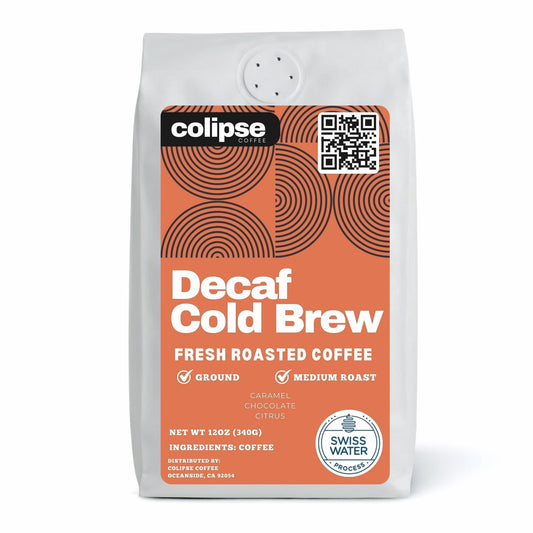
Buy the best tasting decaf coffee beans from trusted specialty coffee brands online. At Colipse Coffee, we roast Swiss Water® decaf beans fresh to order, ensuring a smooth, full flavor without chemicals or caffeine. This method preserves coffee flavor by using water, temperature, and time to protect taste integrity. We offer multiple roast levels, grind types, and sizes with fast U.S. shipping. Our decaf coffee beans tastes like real coffee and supports low-stimulus diets, nighttime sipping, and caffeine-sensitive lifestyles.
Look for retailers offering single-origin arabica with clear decaffeination details. Avoid mass-market bags lacking freshness dates. Specialty shops ensure chemical free processing for authentic taste.
- Verify Swiss Water Process certification on packaging.
- Choose whole beans over pre-ground for aroma retention.
- Prioritize small-batch roasters for peak volatiles.
Subscription services from top roasters deliver fresh stock regularly. This guarantees Decaf Coffee that matches Regular Coffee's flavor, supporting health benefits without compromise.
Does Decaf Espresso Taste the Same as Regular?
Decaf espresso tastes milder, smoother, and less bitter than regular espresso. The caffeine removal process slightly reduces acidity and body, altering the taste of decaf espresso. Using high-quality Arabica beans and water processing minimizes this change.
Does Starbucks Decaf Espresso Taste Different?
Yes, Starbucks decaf espresso tastes milder and less intense than regular espresso due to the removal of caffeine and some flavor compounds during processing. It often has smoother, slightly toasty or burnt notes and may lack the nutty or citrus subtleties found in regular espresso, especially when consumed black.
Does Dunkin' Decaf Coffee Taste Different from Regular Coffee?
Yes, Dunkin' decaf coffee tastes slightly different from regular coffee due to the caffeine removal process, which reduces bitterness and creates a smoother flavor. Some drinkers notice a milder or duller taste, especially if the beans aren’t fresh.
Does Decaf Iced Coffee Taste Different?
Yes, decaf iced coffee often tastes slightly different from regular iced coffee due to the removal of flavor compounds during decaffeination. It usually has a milder, less bitter taste.
Why Does Decaf Coffee Taste Bad?
Decaf coffee often tastes bad because caffeine removal strips flavor compounds along with bitterness, especially when using chemical solvents. Low-quality beans and roasting challenges further degrade flavor. Modern methods like the Swiss Water and CO₂ processes improve taste by preserving more natural compounds.