Is Decaf Coffee Safe Before Bed?
Updated - Team Colipse
Decaf coffee undergoes specialized processes that strip away nearly all its caffeine, leaving only trace amounts behind. This makes it a popular evening choice for people who love coffee but want to protect their sleep. The question is whether those trace amounts still matter at bedtime.
The answer depends on several factors, from the decaffeination method used to your personal caffeine metabolism. Not everyone responds to decaf the same way, and the timing of your last cup matters more than most people realize. The type of bean, the roast level, and even your brewing technique influence how decaf affects your evening.
Understanding decaf's actual sleep impact requires examining both the science and your personal tolerance. This guide explores whether decaf truly keeps you awake, how much caffeine remains, and what brewing methods work best for evening enjoyment. Discover optimal timing, potential side effects, and premium options for your nighttime coffee ritual.
Will Decaf Coffee Keep You Awake at Night?
Most people can drink decaf coffee in the evening without experiencing sleep disruption. Decaf coffee contains only trace amounts of caffeine. Typically, it provides 2-5 mg per cup compared to 95 mg in regular coffee. Very sensitive individuals may still notice mild effects. The general population tolerates evening decaf consumption well without significant sleep interference.
A 1976 sleep laboratory study by Ismet Karacan in Clinical Pharmacology & Therapeutics tested regular coffee, decaf coffee, and caffeine on 18 young adult males using EEG-monitored sleep. Decaffeinated coffee had no measurable effect on sleep latency, total sleep time, or any sleep stage. The results confirm that caffeine alone drives coffee-related sleep disturbance.

Decaf coffee increases alertness beyond its caffeine content, according to research published in 2018. The study demonstrated that decaf coffee produced measurable cognitive improvements compared to placebo. This improvement suggests compounds other than caffeine contribute to decaf's stimulating properties. Such compounds include chlorogenic acid or polyphenols. A 2008 study by Ana Adan in Pharmacology Biochemistry and Behavior found that decaffeinated coffee reduced sleepiness for up to 10 minutes after consumption in 668 university students, reinforcing that non-caffeine compounds drive short-term alertness.
Decaf and regular coffee differ significantly in how they affect sleep.
| Attribute | Decaf Coffee | Regular Coffee |
|---|---|---|
| Caffeine per cup | 2–15 mg | 95 mg |
| Sleep disruption risk | Minimal for most people | Significant |
| Sleep duration (study data) | 8–9 hours continuous | 5–7 hours fragmented |
| Recommended cutoff before bed | 2–3 hours | 6 hours |
| Melatonin impact | No effect | Delays onset |
| Sleep latency increase | None measured | Dose-dependent increase |
How Much Caffeine Is in Decaf Coffee?
Decaf coffee contains 2-15 mg of caffeine per 8-ounce (237-milliliter) cup, compared to 70-140 mg in regular coffee. This represents a 97% reduction in caffeine content through the decaffeination process. Most decaf drinkers consume significantly less caffeine than regular coffee consumers. They still enjoy the beverage's flavor and aroma.

According to the National Sleep Foundation, decaf coffee contains roughly 3–12 mg of caffeine per serving with negligible impact on sleep for most people. If you are counting milligrams before bed, decaf leaves very little to worry about.
The USDA regulates decaf coffee to not exceed 0.10% caffeine content by weight. European regulatory standards are less restrictive. They allow up to 0.3% caffeine by weight. These differing regulations reflect regional approaches to defining and controlling what qualifies as decaffeinated coffee for commercial sale.
The final caffeine content in decaf varies based on the specific brand and decaffeination method used. Common methods include Swiss Water processing, CO2 extraction, and Ethyl Acetate treatment. Each technique removes caffeine at different efficiency rates. This results in varying residual caffeine levels across different decaf products available to consumers.
Can Trace Caffeine Amounts Disrupt Your Sleep?
Yes, very sensitive individuals may experience sleep disruption from trace caffeine, especially when consumed within 2-3 hours of bedtime. Caffeine sensitivity varies significantly across the population. Some people metabolize caffeine rapidly without sleep effects, while others experience noticeable disruption from minimal amounts. The timing of consumption matters substantially for this vulnerable group.
Caffeine's half-life averages 5-6 hours according to the NIH. Effects can last 4-12 hours after consumption depending on individual metabolism. This extended duration explains why morning coffee affects some people's nighttime sleep. Metabolic rate, age, medications, and liver function all influence how quickly the body eliminates caffeine. Individual variation means standard guidelines may not apply universally.

Trace caffeine amounts in decaf affect the body differently than full caffeine doses. A standard cup of regular coffee delivers enough caffeine to suppress deep sleep stages for several hours. Decaf's residual caffeine falls below the threshold needed to trigger these measurable sleep disruptions in most individuals.
A 2014 randomized double-blind study by Bryan Crooks in Journal of Caffeine Research tracked 49 healthy adults consuming caffeinated or decaffeinated coffee over multiple weeks. Caffeinated coffee significantly impaired sleep quality and quantity while increasing anxiety. The decaffeinated group showed no significant changes in sleep or health-related quality of life.
Does Individual Sensitivity Matter?
Caffeine sensitivity varies significantly among individuals, with some people experiencing noticeable effects from even minimal decaf amounts. This variation means that decaf coffee does not affect everyone equally. Caffeine-sensitive individuals may react to trace amounts of caffeine present in decaf products. Their response to decaf consumption becomes unpredictable compared to the general population.
Personal tolerance factors determine the actual sleep impact from decaf coffee consumption. Individual metabolism, existing tolerance levels, and timing of intake all influence how decaf affects each person. These variables mean that decaf coffee's effectiveness as a caffeine-free alternative depends on the specific person drinking it.
Sensitive individuals report jittery feelings, racing thoughts, stomach issues, and persistent headaches even from decaf consumption. These symptoms indicate that trace caffeine amounts trigger measurable physiological responses in caffeine-sensitive people. Recognizing these reactions helps individuals make informed decisions about decaf coffee timing and consumption.
What Is Decaf Coffee and How Is It Made?
Decaf coffee starts as regular coffee beans that undergo an additional processing step to extract caffeine before roasting. The result tastes and smells like traditional coffee but carries only a fraction of the stimulant load. Three main decaffeination methods exist, each with different effects on flavor, nutrient retention, and residual caffeine levels.
The decaffeination step targets caffeine molecules specifically, leaving the bean's broader chemical profile largely intact. Coffee contains over 1,000 bioactive compounds beyond caffeine. Most survive the extraction process, which is why decaf retains much of regular coffee's health reputation despite removing the stimulant.
Caffeine removal uses three primary methods: water-based extraction, organic solvent processing, or carbon dioxide techniques applied before roasting. Water-based methods soak beans to dissolve caffeine naturally. Organic solvents and CO2 methods target caffeine molecules more selectively. Each approach produces decaf beans with distinct flavor profiles and chemical compositions.
What Methods Remove Caffeine from Coffee Beans?
The methods that remove caffeine from coffee beans include the Swiss Water® Process, the CO₂ (carbon dioxide) process, methylene chloride solvent processing, and ethyl acetate solvent processing.

The Swiss Water Process removes caffeine from coffee beans using only water, without any chemical solvents. This method is recognized as the highest quality and safest decaffeination approach available. The process relies on osmosis and diffusion principles to extract caffeine while preserving the bean's original flavor profile and beneficial compounds.
CO2 extraction uses pressurized carbon dioxide to selectively target and remove caffeine molecules from coffee beans. This process preserves flavor compounds that other methods might compromise. Supercritical CO2 acts as a selective solvent, making it an effective alternative for specialty decaf coffee production.
The Ethyl Acetate method employs a naturally derived solvent to extract caffeine from green coffee beans. This approach balances effectiveness with natural processing standards. Ethyl Acetate offers a middle ground between chemical safety and decaffeination efficiency for commercial coffee manufacturers.
Each decaffeination method differs in extraction agent, chemical safety, and flavor results.
| Factors | Swiss Water Process | CO2 Extraction | Ethyl Acetate |
|---|---|---|---|
| Extraction agent | Water only | Pressurized CO2 | Natural solvent |
| Chemical-free | Yes | Yes | Partially |
| Nutrient preservation | Highest | High | Moderate |
| Flavor retention | Excellent | Good | Good |
| Best suited for | Quality-focused consumers | Specialty coffee | Commercial production |
Is It Safe to Drink Decaf Coffee Before Bed?
Yes, decaf coffee is safe to drink before bed for most people when consumed 2-3 hours before sleeping. This timing allows the body sufficient duration to process the beverage without causing significant sleep disruption. Minimal caffeine content in decaf makes it a suitable evening option for those seeking coffee's flavor without stimulant effects.
Daily decaf consumption every night poses no safety concerns for the average person. High-quality beans paired with a consistent bedtime routine enhance the safety profile of nightly decaf drinking. Decaf's low stimulant load means your body can transition naturally into sleep mode without fighting caffeine's alerting effects.

According to randomized double-blind studies conducted at Loma Linda University, decaffeinated coffee produced no significant changes in sleep parameters compared to placebo. For most people, an evening decaf is no different from a glass of water when it comes to sleep disruption.
Pregnant women, individuals with heart conditions, those managing anxiety disorders, and caffeine-sensitive people require careful monitoring of decaf intake. Even trace caffeine amounts in decaf may affect these populations. Medical consultation before regular evening decaf consumption is advisable for these susceptible groups.
Consider these factors before adding decaf to your bedtime routine.
- Timing: Consume decaf 2–3 hours before bedtime for optimal sleep safety.
- Quantity: Limit evening intake to 1–2 cups to avoid excess acidity exposure.
- Processing method: Choose Swiss Water Process for the lowest residual caffeine.
- Medical conditions: Consult a doctor if pregnant, on medications, or caffeine-sensitive.
- Routine pairing: Combine with a consistent bedtime routine for best results.
What Does Sleep Science Say About Decaf?
Decaf coffee has minimal sleep disruption for most people, according to Journal of Clinical Sleep Medicine research. This finding contrasts sharply with regular coffee's significant circadian impact. Scientific evidence demonstrates that decaf presents a viable option for evening coffee consumption without major sleep compromise.
A 2002 crossover study by Lilian Shilo in Sleep Medicine measured sleep and melatonin secretion in healthy males after consuming caffeinated or decaffeinated coffee at 7 PM. Caffeinated coffee decreased total sleep time, reduced sleep quality, and delayed melatonin onset. Decaffeinated coffee showed none of these effects, confirming that caffeine disrupts sleep and circadian rhythm while other coffee compounds do not.
Caffeine alters the internal clock through circadian rhythm disruption. A study found that 120 mg caffeine, equivalent to a double espresso, consumed 3 hours before bed shifts circadian rhythm by 40 minutes. This displacement equals the sleep effect of 90 minutes of bright light exposure.
Adenosine receptors normally promote sleep by signaling the body's need for rest. Caffeine blocks these receptors, preventing sleep signals from reaching the brain. Decaf contains only trace amounts of caffeine, between 2 and 15 mg. This amount proves insufficient to significantly disrupt this critical sleep-promoting mechanism.
Can Decaf Help Reduce Anxiety Before Sleep?
Yes, switching to decaf reduces anxiety symptoms by eliminating caffeine's stimulant effects that raise heart rate and cause nervous feelings. Caffeine blocks adenosine receptors in the brain, creating alertness and physical tension. Decaf removes this stimulation entirely. The nervous system experiences less activation and sleep quality improves without caffeine-induced jitters disrupting rest cycles.
According to 2023 research at the University of Sydney, high-quality decaf coffee reduced caffeine withdrawal symptoms while preserving sleep quality in habitual coffee drinkers. That means switching to decaf satisfies the craving without the restless nights.
Decaf provides psychological comfort through the familiar coffee ritual without triggering jitters or stress responses. The warm cup, aroma, and taste activate relaxation pathways in the brain. Placebo effects enhance this calming response. Individuals report reduced anxiety simply from engaging in the routine. The ritual itself becomes therapeutic.
Caffeinated coffee worsens anxiety for sensitive individuals by overstimulating the nervous system and elevating cortisol levels. Removing caffeine eliminates this physiological stress response while leaving the sensory experience unchanged. Anxiety sufferers report better sleep and lower evening stress after making the switch.
What Are the Benefits of Drinking Decaf at Night?
Evening decaf lets you enjoy a warm cup after dinner without paying for it with lost sleep. The familiar flavor and aroma signal your body that the day is winding down. This sensory transition supports psychological well-being when caffeine would otherwise keep you wired.
Decaf reduces stress by eliminating caffeine jitters while maintaining a comforting routine. The beverage pairs well with bedtime activities like journaling or reading. This pairing creates a relaxation ritual that prepares the body and mind for restful sleep without stimulant interference.
Decaf may help protect against type 2 diabetes without blood sugar spikes that caffeinated coffee can cause in some individuals. The metabolic benefits emerge from avoiding caffeine-induced glucose fluctuations. This protective effect makes decaf an advantageous choice for evening consumption among people monitoring diabetes risk.
A 2020 randomized crossover study by Harry Smith in British Journal of Nutrition tested the effects of sleep fragmentation and morning caffeinated coffee on glucose tolerance in 29 adults. Caffeinated coffee reduced glucose tolerance by approximately 50% after a disrupted night. Non-caffeine coffee compounds showed minimal impact on metabolic recovery, making decaf a safer choice for blood sugar management.
The most consistent benefit of evening decaf coffee comes from combining a relaxing nightly ritual with near-zero caffeine intake.
- Ritual preservation: Maintains the calming coffee routine without sleep-disrupting caffeine.
- Stress reduction: Eliminates jitters while providing sensory comfort and relaxation.
- Metabolic support: May protect against type 2 diabetes without blood sugar spikes.
- Digestive pairing: Complements evening meals and balances dessert sweetness.
- Sleep compatibility: Avoids caffeine's disruption of deep sleep stages and natural sleep cycles.
Does Decaf Support Better Sleep Quality?
Decaf drinkers obtain 8–9 hours of continuous sleep without sudden awakening, compared to 5–7 hours with caffeinated coffee. Research demonstrates that switching to decaffeinated coffee in the evening significantly improves sleep duration and sleep continuity. This improvement occurs because caffeine's stimulant properties no longer prevent the body from entering deeper, more restorative sleep phases throughout the night.
A 2023 systematic review and meta-analysis by Charli Gardiner in Sleep Medicine Reviews analyzed 24 studies comparing caffeine to decaf and placebo. Caffeine reduced total sleep time by 45 minutes and sleep efficiency by 7% across all studies. Decaf showed no such disruptions in comparative trials, supporting its role as a sleep-safe evening alternative.
Caffeinated coffee reduces REM sleep and increases sleep latency. Decaf's minimal caffeine content does not significantly disrupt sleep cycles. This absence preserves sleep architecture when decaf replaces regular coffee. The body progresses through all sleep stages without pharmaceutical or chemical interference.
Can Decaf Provide Comfort Without Disruption?
Yes, decaf preserves the beloved coffee ritual while eliminating jitters and sleep disruption. Users report enjoying the familiar flavor and warmth of their evening cup without caffeine-related side effects. This approach maintains the cherished tradition of coffee drinking safely into the evening hours.
Social gatherings benefit significantly from decaf availability. People can linger at the table after meals and extend their evening interactions without concern for caffeine-induced sleep problems. This lingering enables meaningful connection without compromising rest.
Digestive comfort accompanies the evening coffee experience. The bitter flavor cuts through rich foods and balances dessert sweetness effectively. Many drinkers find this sensory signal marks a natural conclusion to their meal.
Are There Any Side Effects of Drinking Decaf?
Decaf coffee can trigger digestive issues including acidity, heartburn, and stomach discomfort in some users. Low-acid and darker roast decaf options effectively reduce these problems. These varieties minimize gastrointestinal complications for sensitive individuals.
Decaf may interact with certain prescription medications in rare cases. Individuals taking specific medications should consult their healthcare provider before regular decaf consumption. This medical guidance ensures safe coffee drinking habits.
Sensitive individuals experience transition symptoms when switching from regular to decaf coffee. Persistent headaches, lethargy, and mood changes occur during the adjustment period. The body adapts to lower caffeine intake. This adaptation typically resolves symptoms within days.
These are the most common side effects to monitor when drinking decaf coffee.
- Digestive issues: Acidity and heartburn may occur in individuals sensitive to coffee's natural compounds.
- Medication interactions: Rare but possible with certain prescriptions requiring medical guidance.
- Transition symptoms: Headaches, lethargy, and mood changes when switching from regular coffee.
- Gastric stimulation: May increase stomach acid production even without caffeine present.
Is It Okay to Drink Decaf Every Night?
Decaf coffee is safe to drink every night when using high-quality beans and maintaining a consistent bedtime routine. Regular nightly consumption does not disrupt sleep patterns or pose significant health risks for most individuals. The beverage makes an excellent choice for evening coffee lovers who want to enjoy their favorite drink without caffeine interference.
Moderation remains important even with decaf consumption. Excessive nightly intake may increase acidity exposure or trigger medication interactions in certain individuals. Limiting decaf to one to two cups per evening helps prevent potential digestive discomfort or pharmaceutical complications.
High-quality Arabica beans processed via the Swiss Water method offer the best option for nightly decaf drinkers. This decaffeination technique preserves flavor while minimizing chemical residues. Premium beans reduce side effects and enhance the overall evening coffee experience.
When Is the Best Time to Drink Decaf Coffee?
Decaf coffee is best consumed during dinner or early evening to allow your body sufficient time to metabolize trace caffeine before sleep. This timing window provides a safe buffer between consumption and bedtime. The approach accommodates the body's natural caffeine processing without disrupting sleep quality for most individuals. A 2009 systematic review by Cecil Sin in Journal of Clinical Nursing found that whole-day caffeine abstinence through decaf lengthened sleep duration and reduced difficulty falling asleep.
According to a 2021 report by Professor Renata Riha at the University of Edinburgh, commissioned by the Institute for Scientific Information on Coffee, decaf is recommended for late-day consumption to maintain alertness without impairing sleep. Swapping your afternoon regular for decaf may be the simplest schedule upgrade you can make.

Sensitive sleepers should stop consuming decaf 2-3 hours before bed to ensure optimal sleep. Some people tolerate decaf closer to bedtime without any issues, while others need a wider buffer. Genetics, age, and habitual caffeine intake all shape how your body handles even small doses. Personal tolerance determines the ideal cutoff time for each person.
Decaf and regular coffee require different timing strategies for sleep-safe consumption.
| Factors | Decaf Coffee | Regular Coffee |
|---|---|---|
| Minimum buffer before bed | 2–3 hours | 6 hours |
| Safe evening consumption | Yes, for most people | Not recommended |
| Caffeine half-life concern | Minimal (2–15 mg) | Significant (95–200 mg) |
| Best evening timing | During or after dinner | Before noon |
How Late Can You Drink Decaf Without Sleep Impact?
An after-dinner decaf at 8 PM leaves plenty of metabolic runway before a typical 10–11 PM bedtime. The body processes decaf's small caffeine load quickly enough that most people feel no residual stimulation by lights-out. Late-evening scenarios only become problematic for the small subset of people with unusually slow caffeine metabolism.
Very sensitive individuals should avoid decaf within 3 hours of bedtime to ensure trace caffeine fully metabolizes before sleep onset. Genetics and habitual intake patterns determine how quickly each person clears caffeine. Those prone to sleep disturbances benefit from this more conservative approach to evening beverage timing.
Personal caffeine metabolism rate determines the exact safe timing for decaf consumption in the evening hours. Some individuals tolerate decaf closer to bedtime than others due to differences in liver enzyme activity. Individual processing variations mean that optimal decaf timing depends on personal tolerance and sleep sensitivity rather than a universal rule.
How Should You Brew Decaf for Evening Drinking?
French press and pour-over methods are ideal for gentle evening brewing. These techniques extract flavor while minimizing harshness. They deliver smooth, balanced decaf coffee without the astringency of aggressive extraction. Evening drinkers benefit from the refined taste profile these methods produce.
The beans you choose matter as much as the brew method for evening drinking. Chemical-free decaf delivers a cleaner cup with no residual solvent taste. This purity allows the coffee's natural flavor to come through, especially with gentle extraction techniques like French press and pour-over.
Gentle brewing using appropriate water temperature and timing prevents bitterness and maximizes flavor. Decaf coffee requires lower heat than regular coffee to avoid over-extraction. Brewing temperatures between 195–205 degrees Fahrenheit (90–96 degrees Celsius) allow the comforting taste profile to emerge.
Follow these steps to brew the best decaf coffee for evening enjoyment.
- Select beans: Choose Swiss Water Process decaf roasted within the previous 2–4 weeks for peak flavor.
- Grind fresh: Use medium-coarse for French press or medium for pour-over just before brewing.
- Heat water: Bring water to 195–205°F (90–96°C) for balanced extraction without bitterness.
- Brew gently: Use French press (4 min steep) or pour-over for a smooth, low-acid cup.
- Serve warm: Pour into your favorite mug and enjoy as part of your evening wind-down routine.
Which Decaf Coffee Beans Work Best for Bedtime?
High-quality Arabica beans processed with Swiss Water decaffeination deliver the best taste and lowest caffeine levels for evening consumption. This decaffeination method removes caffeine without stripping away the beans' natural flavors and aromatic compounds. Arabica varieties offer superior smoothness compared to Robusta alternatives, making them ideal for relaxing before sleep.
Darker roasts reduce acidity and create bold, smoky flavor profiles that suit bedtime drinking. The extended roasting process breaks down chlorogenic acid, which contributes to stomach irritation in sensitive individuals. Lighter roasts preserve the bean's original character but retain higher acidity levels that may disturb sleep quality.
Freshly roasted decaf beans ensure delightful flavor rather than flat or stale taste. Decaffeinated coffee degrades faster than regular coffee due to the extraction process. Purchase beans roasted within the previous two to four weeks for optimal aroma, body, and complexity in your evening cup.
Why Should You Choose Colipse Coffee's Decaf?
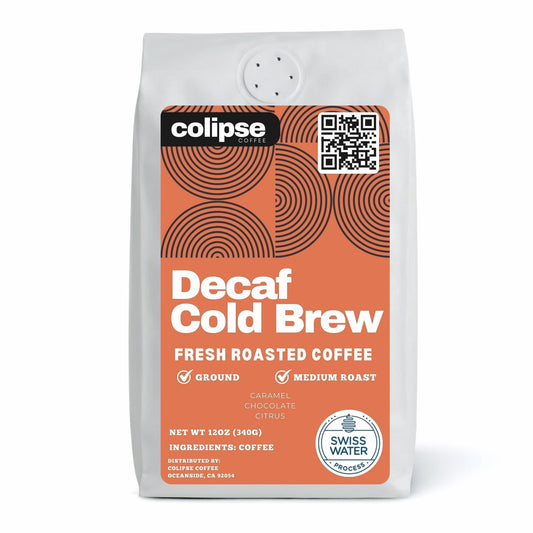
Choose Colipse Coffee’s decaf because it uses the Swiss Water® Process to remove 99.9% of caffeine without chemical solvents. Colipse roasts each batch after ordering and ships it within 3–5 days to preserve freshness. The decaf collection includes espresso, cold brew, medium roast, dark roast, and half-caff options available as whole bean or precision grind.