Does Decaf Coffee Cause Heartburn, Acid Reflux, or GERD?
Updated - Team Colipse
Yes, decaf coffee can still cause or worsen heartburn, but less than regular coffee. Decaf coffee and acid reflux refers to the relationship between drinking decaffeinated coffee and its effects on acid reflux symptoms. Studies found that decaffeinated coffee significantly reduced reflux compared to regular coffee, yet some reflux still occurred. This suggests other compounds in coffee, not caffeine, contribute to heartburn.
Decaffeinated coffee appears to be better tolerated than regular coffee in GERD patients, although the overall evidence remains inconsistent. The best decaf coffee for acid reflux is one that reduces gastro-oesophageal reflux, uses water-processed or chemical-free beans, and is brewed using low-acid methods like cold brew or filtered coffee. The benefits of switching to decaffeinated coffee include reduced heartburn symptoms for individuals with GERD and continued intake of beneficial compounds like chlorogenic acids, melanoidins, and polyphenols.
What is Heartburn?
Heartburn is a burning sensation in the chest caused by stomach acid rising into the esophagus. Heartburn often occurs after eating and feels like a sharp pain behind the breastbone. The common symptoms of heartburn include a burning pain behind the breastbone, acid reflux rising into the throat, a bitter taste in the mouth, bloating, nausea, and a feeling of fullness. This condition is a symptom of acid reflux and can become more frequent in gastroesophageal reflux disease (GERD).
Heartburn in adults is caused when stomach contents leak into the food pipe due to a weak or malfunctioning muscle at the top of the stomach. This muscle, called the sphincter, may loosen after large meals or open without reason, allowing acidic digestive fluids to irritate the food pipe lining. Some people experience coughing, hoarseness, and trouble swallowing when stomach acid irritates the throat or airways.
This digestive condition affects millions of people worldwide. Patients with GERD experience repeated reflux episodes that irritate the lining of the esophagus. According to gastroenterologist John Dent of the Department of Gastroenterology, Hepatology, and General Medicine at Royal Adelaide Hospital, symptoms can worsen when the esophagus is exposed to triggers such as caffeine, highly acidic foods, or decaf coffee that is not low in acid.

Why Does Coffee Give Me Heartburn?
Coffee can trigger heartburn symptoms due to its acidic compounds and caffeine content. These ingredients can relax the lower esophageal sphincter, allowing stomach acid to flow back into the esophagus.
Interestingly, caffeine alone does not cause heartburn, according to a 1994 study titled "Effect of decaffeination of coffee or tea on gastro-oesophageal reflux." Researchers found that adding caffeine to water had no effect on gastro-oesophageal reflux. This suggests other components in coffee, not only caffeine, are responsible for triggering heartburn.
So what it is in coffee that causes heartburn? A 2020 study by Amaia Iriondo-DeHond published in Nutrients identified caffeic acid and chlorogenic acid as key coffee compounds linked to heartburn. The research showed that these phenolic acids influence gastric acid secretion and weaken lower esophageal sphincter control.
The 2020 study further demonstrated that caffeic acid and chlorogenic acid remain present even after coffee is decaffeinated. Decaffeinated coffee therefore retains substances capable of provoking reflux symptoms. These findings suggest that phenolic acids play a direct role in gastroesophageal irritation independent of caffeine.
Does Decaf Coffee Cause Heartburn?
Yes, decaf coffee can still cause heartburn for some due to residual acidity despite decaffeination removing most caffeine, but significantly less than regular coffee. According to a 1994 comparative study published in Alimentary Pharmacology and Therapeutics, decaffeination reduces gastro-oesophageal reflux, but does not eliminate it entirely. The reflux effect is linked to other components in coffee, not caffeine itself. Therefore, decaf coffee may still cause heartburn, but it's less likely than regular coffee.
Celeste Robb-Nicholson, M.D., identifies decaf coffee as a potential trigger of digestive symptoms because phenolic acids remain after decaffeination. Phenolic acids can cause heartburn by irritating the esophagus or relaxing the lower esophageal sphincter, which allows stomach acid to rise. High concentrations or individual sensitivities increase this risk, especially in people with GERD or similar digestive conditions. The Harvard-affiliated physician explains that retained phenolic compounds can provoke symptoms even when caffeine is removed and describes coffee as a frequent contributor to acid reflux episodes.
Similarly, Dr. Jamie A. Koufman, MD, a U.S. physician widely known for her work on acid reflux, GERD, and laryngopharyngeal reflux (LPR), identifies coffee’s pH level as a more important trigger for acid reflux than caffeine itself. The reflux specialist explains that many decaffeinated coffees still contain high acidity levels. These acidic decaf coffees irritate the esophageal lining in a way similar to standard caffeinated coffee.
In contrast, a 1997 study titled "The effect of decaffeination of coffee on gastro-oesophageal reflux in patients with reflux disease" showed that decaffeinating coffee reduces reflux in patients with reflux disease. In a double-blind study, 17 patients had two pH tests after drinking regular or decaf coffee. Regular coffee caused 17.9% reflux time, while decaf lowered it to 3.1%. Removing caffeine significantly reduced post-meal acid reflux.

Is Decaf Coffee Better for Heartburn than Regular Coffee?
Yes, decaf coffee is better for heartburn than regular coffee because it does not significantly reduce lower esophageal sphincter pressure (LESP) or increase acid reflux, according to Hallgrímur Gudjonsson from the Department of Gastroenterology at Landspitali University Hospital in Reykjavik. In contrast, regular coffee and tea reduce LESP and trigger more reflux episodes. This makes decaf a safer option for individuals with acid reflux or heartburn.
Caffeine in regular coffee can stimulate gastric acid secretion and may worsen reflux symptoms in some people. Decaf coffee removes most caffeine, and controlled trials show decaf generally causes less esophageal acid exposure than regular coffee in reflux patients. Many people with GERD tolerate decaf better than regular coffee.
Both share baseline acidity from beans, but decaf's edge shines for sensitive individuals. Experts recommend switching to decaf, especially dark roast or cold brew, to cut triggers without full coffee abstinence, as per insights from the Cleveland Clinic. The following table summarizes clinical and observational studies examining how decaffeinated coffee affects heartburn and GERD symptoms.
| Study | Effect of Decaf on Heartburn / GERD | Notes |
|---|---|---|
| Boekema et al., 1999 | No effect | No difference in reflux episodes compared to regular coffee |
| Wendl et al., 1994 | No effect | GERD increased with regular coffee, not with decaf |
| Pehl et al., 1997 | Reduced GERD symptoms | 83% reduction in GERD effect compared to regular coffee |
| Park et al., 2014 | Increased risk | Associated with GERD even in non-reflux patients |
| Mehta et al., 2019 | May increase GERD symptoms at high intake | Six or more cups per day of decaf worsened GERD more than caffeinated coffee |
| Correia et al., 2020 | Reduces GERD when replaced with coffee substitute | Symptoms reduced when both decaf and regular coffee were replaced |
What is GERD?
GERD refers to gastro-esophageal reflux disease, a chronic condition where stomach contents frequently flow back into the esophagus due to improper closure of the stomach's entrance. This backflow causes symptoms like heartburn, acid reflux, and inflammation of the esophageal lining. Large population studies, including the Nurses’ Health Study II, link GERD symptoms to specific dietary triggers.
GERD types include non-erosive reflux disease (NERD), erosive esophagitis, and Barrett’s esophagus (BE).
- NERD involves typical reflux symptoms without visible esophageal damage.
- Erosive esophagitis shows mucosal injury.
- Barrett’s esophagus (BE) is a complication where esophageal cells change, increasing cancer risk.
The main difference between GERD and heartburn is that heartburn is a symptom, while GERD is a chronic medical condition. Heartburn causes a burning feeling in the chest due to acid reflux. GERD involves frequent or severe heartburn and acid reflux that interferes with daily life or damages the food pipe lining. Daily habits and lifestyle factors often worsen sphincter weakness. GERD management requires identifying personal triggers like coffee or chocolate.

Does Decaf Coffee Cause GERD?
No, decaf coffee does not consistently cause GERD. According to a 2020 study by Amaia Iriondo-DeHond from Instituto de Investigación en Ciencias de la Alimentación, epidemiological data show conflicting results, and most meta-analyses found no causal link between coffee and GERD. Some isolated studies found adverse effects in Barrett’s esophagus patients, but others showed no association, especially for decaf coffee.
Decaffeinated coffee appears to be better tolerated than regular coffee in GERD patients, although the overall evidence remains inconsistent. Clinical findings indicate that reflux outcomes vary depending on study design, coffee dose, and individual sensitivity.
A 1997 study by Christian Pehl from the Department of Gastroenterology at Hospital Bogenhausen showed that decaffeinated coffee significantly reduced esophageal acid exposure compared with regular coffee. That study reported an 83% reduction in acid exposure when participants consumed decaf instead of caffeinated coffee.
Similarly, a 1994 double-blinded randomized study titled "Effect of decaffeination of coffee or tea on gastro-oesophageal reflux" found that regular coffee increased GERD symptoms, while decaffeinated coffee did not. Their results suggested that removing caffeine eliminated the reflux-provoking effect seen with standard coffee.
In contrast, population data from Mehta et al. (2019) linked high decaffeinated coffee intake to worse GERD outcomes. That analysis associated consumption of six or more cups of decaf per day with a 48% increase in GERD symptoms. This means decaf coffee is not a universal trigger. Some people may feel worse after drinking it, but for most people, decaf coffee itself is not the direct cause of reflux disease.
What is the Best Decaf Coffee for Acid Reflux?
The best decaf coffee for acid reflux is one that reduces gastro-oesophageal reflux, uses water-processed or chemical-free beans, and is brewed using low-acid methods like cold brew or filtered coffee. The ideal decaf coffee for GERD is dark roasted, low in caffeine, and free from roasting by-products like acrylamide. These low acid decaf coffees are less likely to reduce LES pressure or trigger acid reflux compared to regular or harshly processed coffees.
To find the best options, select dark roasts and avoid bright, citrusy flavors. Look for Swiss Water or CO₂ decaffeination labels and coffee marked “stomach-friendly.” Favor 100% Arabica beans from specialty brands with smooth, chocolatey, or nutty notes to further reduce the risk of irritation.
What is the Best Place to Buy Decaf Coffee for Acid Reflux?
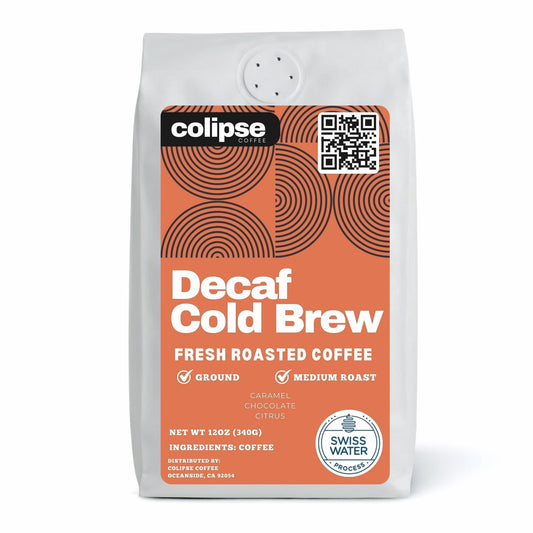
Colipse Coffee offers the best place to buy decaf coffee for acid reflux. At Colipse Coffee, our low acid Swiss Water® decaf is chemical-free, gentle on digestion, and ideal for those with GERD, IBS, or caffeine sensitivity. Decaf coffee beans from Colipse start at $21.95 per 12 oz bag and vary by roast, grind size, and quantity. All orders ship free in the U.S. and are roasted fresh to ensure smooth, rich flavor without bitterness.
What Happens When You Switch to Decaf Coffee?
Switching to decaffeinated coffee can reduce heartburn symptoms in individuals with GERD. The benefits of decaf coffee include delivery of chlorogenic acids, melanoidins, and polyphenols. This lower-caffeine option continues to stimulate bile secretion in the digestive system. Decaffeinated coffee also supports colonic motility and regular bowel movement. The beverage provides antioxidant and anti-inflammatory effects that benefit overall gut health. Compared with regular coffee, these physiological effects tend to be milder in decaf.
Is All Decaf Coffee Low Acid?
No, not all decaf coffee is low acid. Decaffeination reduces caffeine but does not automatically lower acidity. The acid level in decaf coffee depends on the coffee bean type, roasting method, and processing technique. Some decaf options labeled "low acid" are specially treated to reduce acidity.
Is Decaf Tea OK for GERD?
Yes, decaf tea is likely safe for GERD based on a 1994 study published in Alimentary Pharmacology and Therapeutics. Decaffeinated tea did not increase gastro-oesophageal reflux in healthy volunteers, suggesting it does not aggravate symptoms. Unlike regular coffee, decaf tea showed no significant effect on reflux levels.
How to Prevent Heartburn When Drinking Decaf Coffee
Prevent heartburn from decaf coffee by following the seven steps below.
- Avoid drinking decaf coffee on an empty stomach; have it with food like oatmeal, bananas, or whole-grain toast to buffer stomach acid.
- Limit portion size to a small cup and see if one cup per sitting (or per day) is tolerated better than multiple refills.
- Sip slowly rather than gulping; drinking more gradually can reduce sudden spikes in gastric acid and reflux episodes.
- Stay upright for at least 2–3 hours after drinking; lying down or slouching makes it easier for acid to travel up the esophagus.
- Experiment with different brew methods; filtered methods (drip, pour-over) are often gentler than espresso or unfiltered French press.
- Watch add-ins: acidic or fatty ingredients (heavy cream, chocolate syrups, peppermint flavor) may worsen reflux; try lighter milk or non-dairy alternatives.
- Space decaf coffee away from trigger meals (spicy, fried, tomato-based foods) so you are not stacking multiple reflux triggers together.